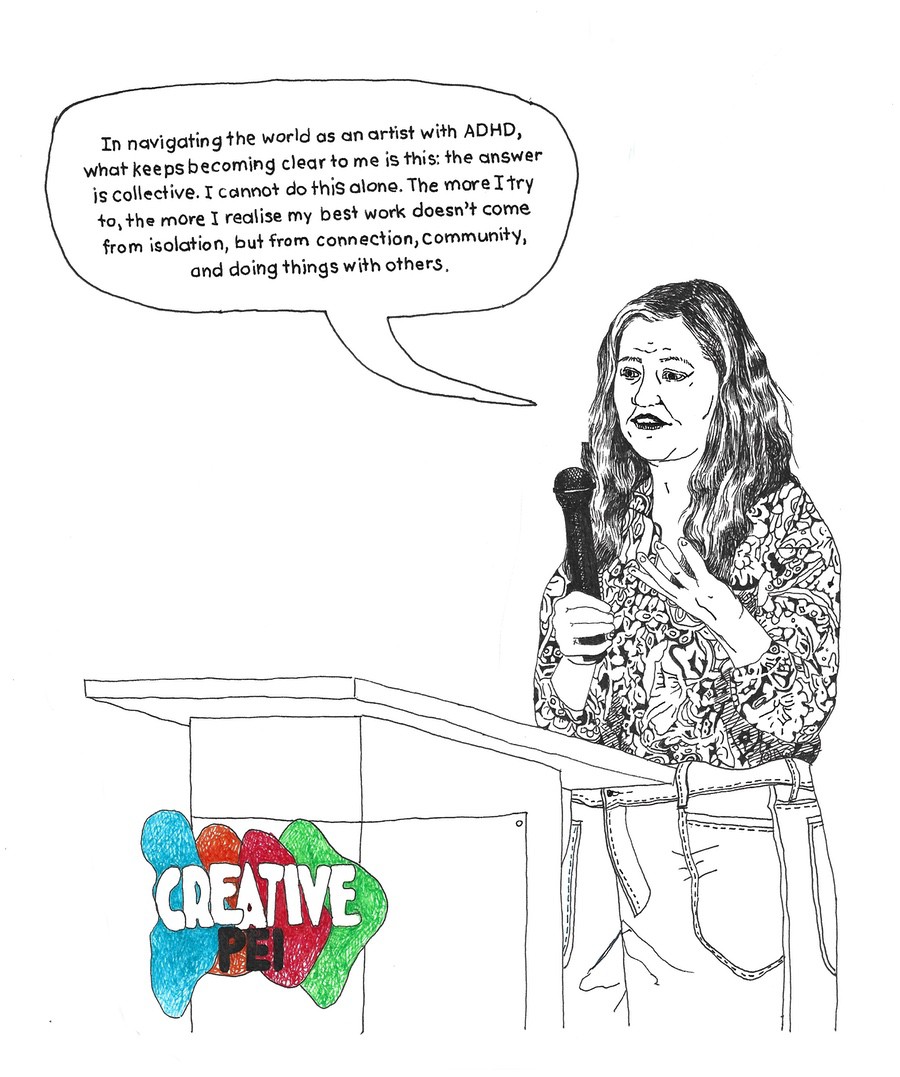
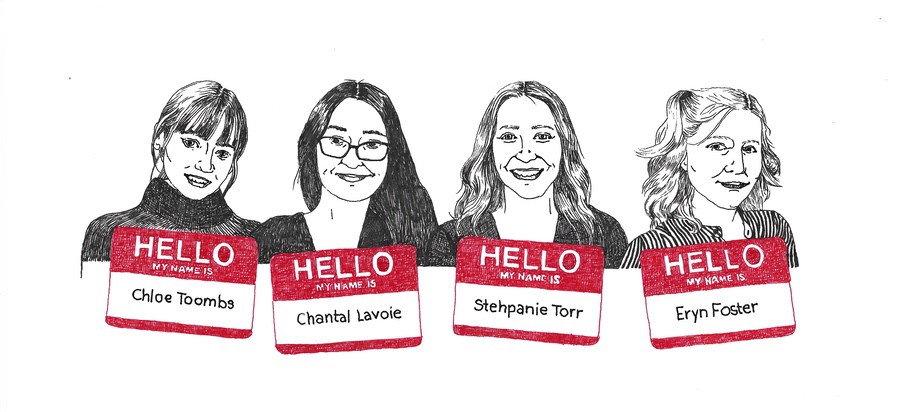
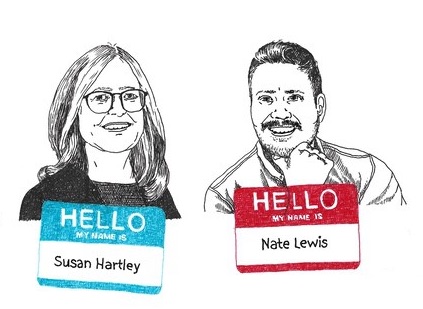
Download a PDF version of our conference recap here, beautifully illustrated by CreativePEI’s Accessibility and Inclusion Researcher, Alexis Bulman.

Conference Recap

On November 7, 2025, CreativePEI hosted the Arts, Access & Wellbeing Conference at the Rotary Auditorium, Charlottetown Library Learning Centre, bringing together 94 artists, arts workers, and community partners from across Prince Edward Island. The conference explored how artists can thrive in their creative pursuits with comfort, stability, and dignity.

Through a keynote address, performances, panel discussions, and hands-on activities, the gathering highlighted how accessibility, mental wellbeing, and inclusive practices can reshape the arts ~ proving that when accessibility and care lead the way, the arts can transform how we create and connect.

This post-conference recap serves as an archival record of the day’s conversations, presentations, and performances. It allows those who attended, those who could not, and CreativePEI itself to remember the ideas shared, continue the dialogue, and keep building a stronger, more inclusive arts community!

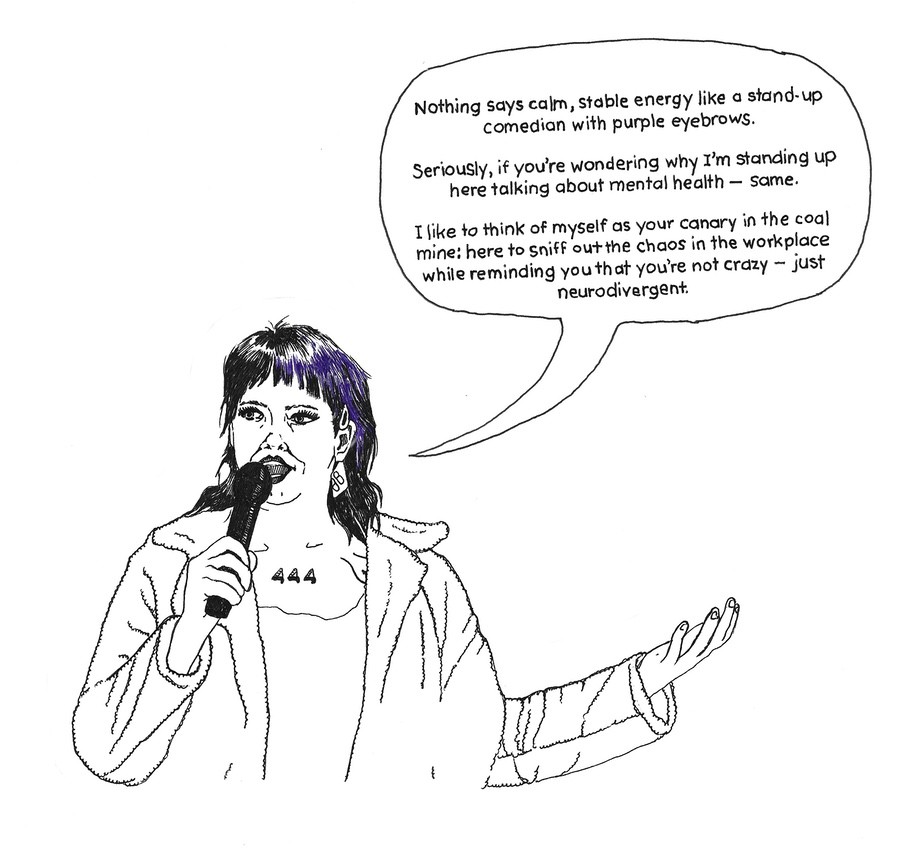
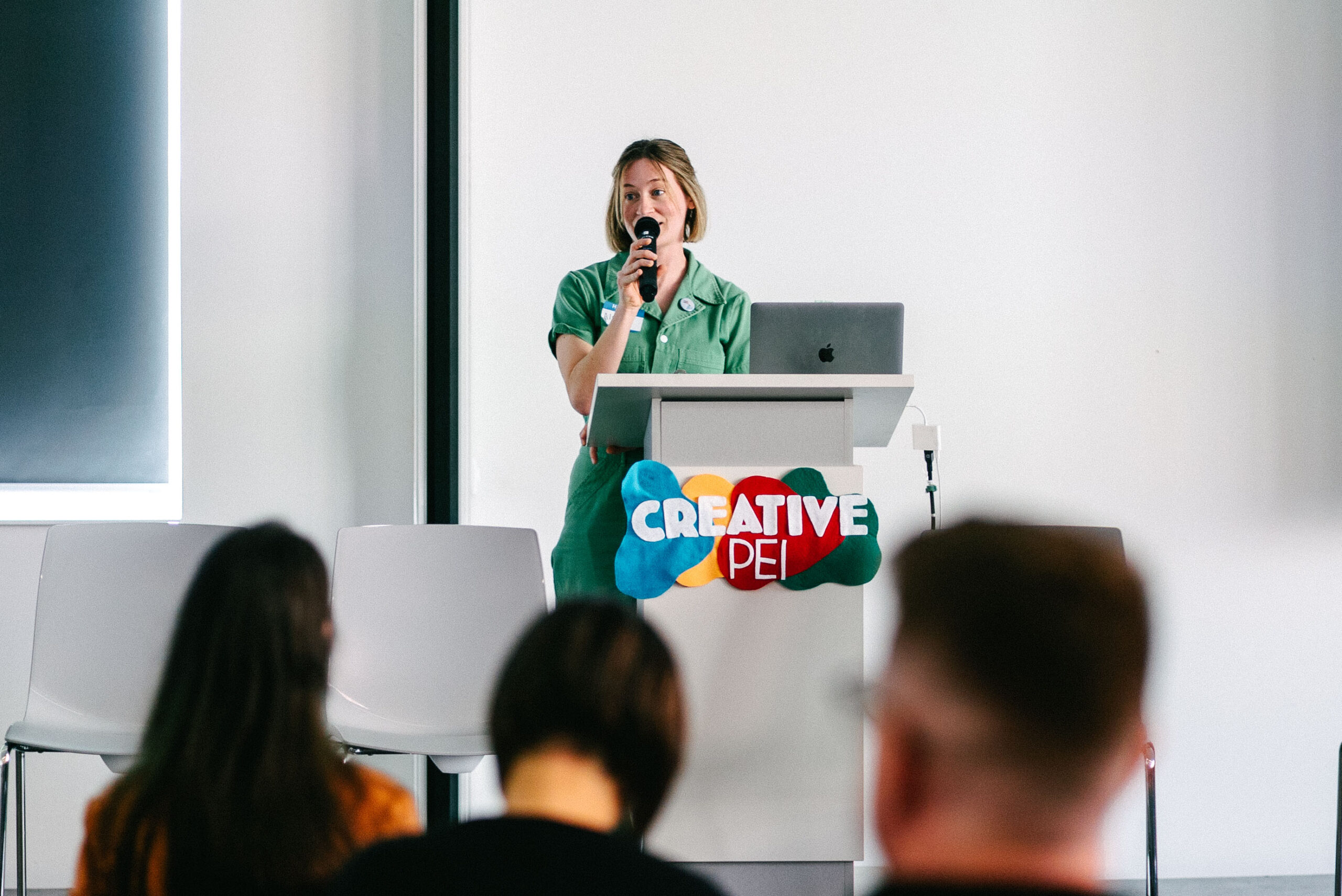
Rachel Matheson — a neurodivergent, disabled comedian and writer — brings a mix of wit and warmth to a comedic crash course in the language of access.

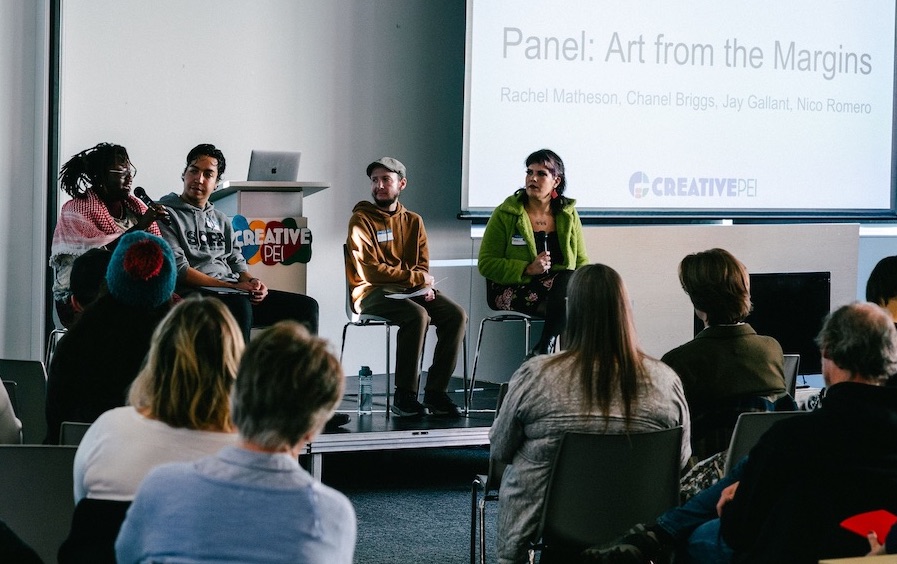
Panel: Art From The Margins

Art from the Margins brings together Rachel Matheson, Chanel Briggs, Jay Gallant, and Nico Romero, artists working across music, theatre, comedy, poetry, and visual art. Shaped by experiences of intersecting marginalization, they share how, despite barriers, their creative pursuits continue to draw them in, helping them find community, express identity, and imagine more inclusive and accessible cultural spaces. This panel invited audiences to see culture not as immovable, but as something continually reshaped by those who have long existed at its margins.

Chanel Briggs' Bio

Chanel (they/them) is a Black, Queer creative whose art practice is anchored in the exploration of Black Queer sacredness. They strive to create performance spaces focused on righteous anger and discomfort as a pathway to change. They are interested in what can be provoked when people are confronted with vulnerable displays. They blend their poetic advocacy into visual works that navigate identity, spirituality, and community— utilizing digital art to showcase layers of their storytelling.

Jay Gallant's Bio

Jay Gallant (he/they) is a disabled and autistic trans actor, playwright and activist. He has been giving talks and consultations on 2SLGBTQIA+ inclusion for organizations across the Island and beyond for the past twenty years. He was a founding member of the Health PEI Gender Affirming Care Steering Committee and is currently serving as a community advisory board member for the national research project Beyond the Binary: Gender Diversity in Cancer Health Research. He also works as a simulation actor for the UPEI Faculties of Medicine and Nursing.

Nicolás Romero's Bio

Born with Bilateral Congenital Aural Atresia and Microtia, Nico overcame early challenges through multiple surgeries, gaining the ability to hear and follow his passion for music. A graduate of Holland College’s School of Performing Arts and Berklee Pathway Student, he is a versatile guitarist specializing in funk, neo-soul, smooth jazz, Latin, and folk. Nico has performed with artists including Diana Delirio, Luisa Güiza, Julia Robichaud, and Lefunk. His music reflects themes of change, resilience, and self-discovery. Beyond performing, Nico is also a dedicated photographer and advocate for following one’s dreams, proving that obstacles cannot stand in the way of passion.

Rachel Matheson's Bio

Rachel Matheson (She/they) is an island raised, Toronto bred stand up comedian and writer. As a disabled and neurodiverse artist, they were often frustrated by the lack of accessibility in their own field. Because of this, they were committed to dismantling those barriers for artists across all mediums. She started her Accessibility work at Creative PEI in 2024 where she now facilitates a Peer Support Group for disabled and neurodiverse artists. She is also a board member and treasurer for the JRG Society who puts on the Disability Atlantic Arts Symposium.

Full Transcript of Panel Session

Rachel:
Okay—what does the word marginalization mean to you?

Chanel:
Marginalization is a word that feels like it was put on me. It’s not a word I necessarily use to describe myself, but rather the position I exist under—under systemic oppression. I don’t feel small, and I don’t feel marginalized, but the systems I live within ensure that who I am is not considered the norm.

Being Black, being queer, being mad—those identities mean I’m not considered the default. So marginalization isn’t what I am; it’s what I’m told I am. English is my first language, but I didn’t even really know the word until I looked it up. What I understand now is that marginalization is very situational.

There are situations where our disabilities or identities empower us—where we feel supported and energized. Marginalization is the opposite: situations people take for granted, where we suddenly realize we don’t belong. That feeling of being excluded without anyone noticing—that’s what marginalization feels like to me.

Jay:
For me, as an artist, marginalization is deeply connected to my struggle for acceptance—and to believing that my voice deserves to take up space. As a disabled, trans, autistic person, I experienced bullying and oppression, especially in my youth.

I felt pressure to hide parts of myself because the world wasn’t designed for bodies or brains like mine. Marginalization meant being treated—and seeing myself—as an oddity, an exception, or a problem. I learned to cut off pieces of myself just to survive.

That had a huge impact on my creative life. While my artistic journey has been moving in a positive direction—especially over the last five years—feeling like I deserve space is still something I work on.

Rachel:
Thank you. Many of us have experienced being “othered” or entering spaces not built for us. Do your experiences with marginalization feel more like barriers, or sources of empowerment—or both?

Chanel:
Existing at the intersections of my identities is absolutely a barrier. Accessing healthcare, being seen as drug-seeking during pain flare-ups, navigating life as a Black queer immigrant—these are real obstacles that create extra work just to exist.

But I’m also very proud to be Black, queer, and mad—not mad as angry, but mad as in not “sane” by society’s definition. In a strange way, it’s a privilege to exist beyond the limited imaginations of cis, straight, white people.

It’s not me that’s the barrier—it’s the world. I’m going to be myself anyway, joyfully and abundantly. There’s risk in that, but I choose joy.

Nicolás:
For me, it’s a double-edged sword. I have a hearing disability with about a 20-decibel reduction, so I rely heavily on sight to understand speech. Masks during COVID made communication incredibly difficult.
Job applications and certain work environments—like restaurants—are challenging because I can’t hear everything around me. That’s a real barrier.

But it’s also been empowering. I’ve spoken at conferences, met families whose children have the same condition, and been able to offer reassurance and representation. Seeing someone living well with a disability can mean everything to a parent or a kid. Representation matters.

Jay:
It’s been both for me as well. Growing up trans in Charlottetown in the ’80s and ’90s, there was no language or support. I experienced bullying and violence, and I internalized the idea that something was wrong with me.

I loved writing, but shame convinced me my voice didn’t matter. About five years ago, I began reclaiming my voice through theatre. My first play explored a trans man coming into his identity in his 30s, and writing it was deeply empowering. Theatre became the place where I found my voice again.

Rachel:
I relate to that. Growing up disabled, neurodivergent, and queer in the ’90s wasn’t easy. Those experiences inform my writing and comedy now. Sometimes it feels like another double-edged sword—the worse I’m doing mentally, the funnier I am. It’s important to acknowledge both truths.
Have you found meaningful art or community locally that reflects your lived experience?

Chanel:
Community has been everything for me—especially as an immigrant. Before coming here, I didn’t even see myself as an artist. Writing was survival. Poetry was my journal.
Seeing local artists—especially other BIPOC and queer artists—helped me recognize myself as an artist. Organizations like This Town Is Small and Creative PEI took chances on me when I didn’t know what I was doing.
Community doesn’t require perfect infrastructure—it requires people showing up. Friends who help me get into spaces, who encourage me to make art when I’m struggling—that’s my greatest resource.

Nicolás:
I’ve found the community here very welcoming. People ask how they can adapt to my needs, and that curiosity comes from care. Programs like the RADAR Golden Ticket and Diverse Voices create real access and opportunity. That kind of support matters.

Jay:
I’ve had a great experience here as well. The Island Fringe Festival’s lottery system and accessibility commitments have allowed me to see myself reflected on stage. Community organizations like PEI Transgender Network, Pride PEI, and others have been incredibly supportive of queer artists and helped me get started.

Rachel:
I started comedy in Toronto, and despite the size of the scene, I didn’t feel community there the way I do here. PEI feels more collective, more caring, and my work has genuinely improved because of that.

Can you share a time when an adaptation made your art practice more accessible?

Chanel:
For me, accessibility is rooted in community care. What matters most is seeing disabled, queer, and racialized people hired and centered. Programs like the Rock Bar Residency created real opportunities for artists like me who didn’t come through institutions. Representation shouldn’t be the exception—it should be the norm.

Nicolás:
I see accessibility in small but meaningful adaptations—job postings that invite accommodation requests, venues that adjust layouts for mobility needs. Those details make a big difference.

Jay:
The Guild has been incredible for me. As an autistic person with sensory sensitivities, I needed my show to be quieter—and that was accommodated easily. I didn’t feel like a burden. That kindness matters. Universal access benefits everyone, not just one person.

Rachel:
The first time I truly felt seen as a disabled artist and audience member was at the River Clyde Pageant. Having an accessibility statement meant my needs were anticipated without me having to self-advocate. That kind of care is powerful.

Thank you all so much. We’re out of time, but thank you to our panelists and to Rachel for moderating. We’ll now take a short break.

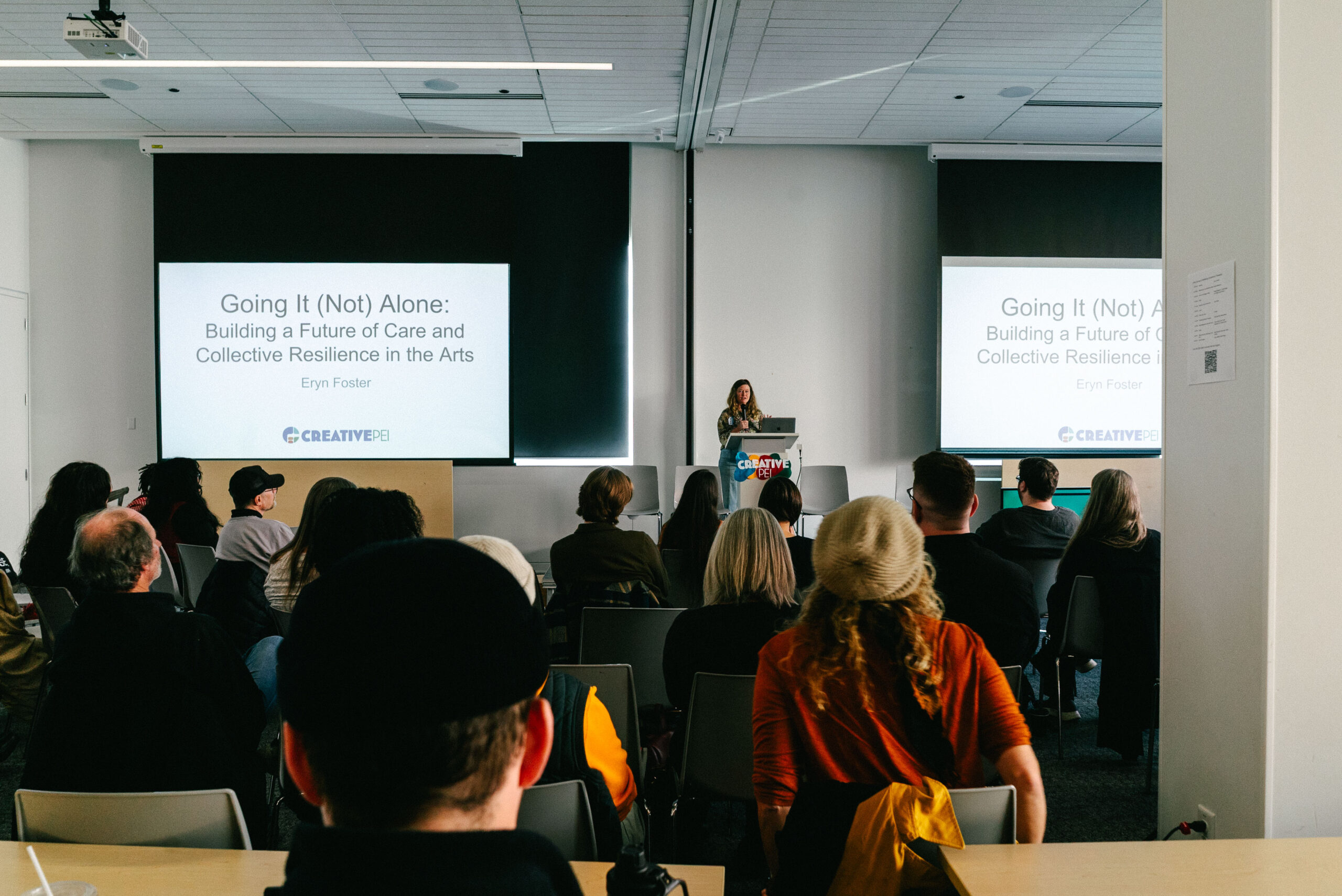
Keynote Address By Eryn Foster

Going it (Not) Alone:
Building a Future of Care and Collective Resilience in the Arts

Eryn Foster's Bio

Eryn Foster is an interdisciplinary artist, filmmaker, educator, and arts consultant based in K’jipuktuk/Halifax. She received her BFA from Concordia University and her MFA from the University of Guelph. Over the past two decades she has presented her work at numerous artist-run centres, public galleries, museums as well as Hermes Hfx Gallery where she is a member of the collective. Foster works at NSCAD University as regular-time faculty in Fine Arts and Foundations Studies. She is enthusiastically also involved in arts advocacy and works regularly with Visual Arts Nova Scotia on special projects and research initiatives.

Foster has received several awards and grants for her work including ones from the Canada Council for the Arts and Arts Nova Scotia. Recently she premiered her film Celestial Queer: The Life, Work and Wonder of James MacSwain (in collaboration with her friend Sue Johnson) at the Atlantic International Film Festival where they were awarded the 2023 prize for Best Atlantic Feature Documentary. Their film is currently touring across Canada and was featured this fall as part of the Saltbox Festival in Cornerbrook Newfoundland.

Full Transcript of Keynote

Alexis: A little while ago when I’m working at Creative PEI I’m doing accessibility work and, so I’m always keeping my eyes up for something that feels like relevant, like it might be relevant to programming we might try that might interest artists in our community and I was scrolling one day and I found an ADHD workshop for artists that was put on by Visual Arts in Nova Scotia and so I had to click that and learn more and through that process I learned about Eryn Foster and the work that Eryn Foster has been doing.

Also Eryn was a previous panelist at the last CreativePEI mental well-being conference, so it felt very natural to have Eryn back and this time really command the room in more of a keynote role.

Eryn Foster is an interdisciplinary artist, filmmaker and educator. An arts consultant based in Halifax. She received her BFA from Concordia University and her MFA from the University of Guelph. Over the past two decades, she has presented her work at numerous artists’ run centers, public galleries, museums, as well as Herm’s Halifax gallery where she is a member of that collective. So Foster works at NASCAD University as a regular time faculty in fine arts and foundation studies, she’s enthusiastically also involved in arts advocacy and works regularly with Visual Arts Nova Scotia on special projects like the one I mentioned and other research initiatives. I could go on, but Eryn is going to be giving a lot of context into their background and how it informs their ongoing practice. So I’d like us to give a warm welcome to Eryn.


Eyrn: Hello, everyone. Thank you so much for having me here today. I feel, really honored to be here within the company of everyone who is here today. A really amazing event so far I’ve just already felt inspired and, and just so impressed by, the thoughtfulness and the care. That’s gone into this conference so far and and so again I really appreciate being invited and I’ve come here from Kjipuktuk, I live in Dartmouth and I spent a lot of my time in Nova Scotia. However, anytime I get the chance to be In this region of the Atlantic I feel incredibly grateful. The last time I was actually here was, for the film festival a couple of years ago, a film of mine, a documentary, showed at the film festival and, again I had a really wonderful time so it’s always wonderful to come back and to be here among you all today.

So, this conference that’s focusing on arts access and well-being. It invites us to ask how artists can thrive in their creative pursuits and how they can do this with comfort, stability, and dignity. These are questions that I have, I think, been asking my whole life. I, as an artist but also in, in many of the other things that I do, I’m often just kind of thinking about how, you know, oftentimes it feels like such a struggle and it feels like such, such a struggle for all kinds of reasons and, I think it’s often because as artists we’re often living in a state of precarious. We’re working with limited resources, a lot of us might also be navigating the world with disabilities or, various kinds of things that can impact our ability just to be included in the various activities that we wish to be included in and so I’m always kind of looking out for sources of inspiration and for ways that I can model my own life and for ways that I can also find mentors and, leaders who can help me to also then pass on that mentorship and that leadership to others.

And so being here today, I want to first, talk about, my mentor, James McSwain who, very sadly passed away this last fall, and I’m gonna try not to cry because I’m very sad about losing him..but I’m also really grateful and really happy to be able to bring the spirit of him into this room today, because he really for me embodies what A thriving artist’s life can look like, especially as someone who faced numerous challenges in his life. He grew up queer in the very small town of Amherst, he grew up in a working class family where he often didn’t feel like, he was very privileged in terms of being able to access the kinds of things that he wished to access as an artist. He went on to study at Mount Allison University, intending to study fine arts but essentially, got pushed out because professors in the art program felt his queerness was a threat and so he ended up in the literature department where things felt a little freer and a little more open.

So Jim was someone who was constantly navigating the world and finding the spaces that he could exist in where all of the gifts that he could bring to the world could actually find a home. And I met Jim years ago, Jim was someone who was present, was present in all the different spaces in the arts and queer communities of Halifax. I first got to know Jim when I was involved in artist run culture and he had been someone who had been really a great activist and advocate for both queer arts and also artists from culture in Halifax but also across Canada and.

I don’t know, maybe a few of you might have even heard of Jim or maybe his name might sound familiar, but if not, I’m also not surprised by that because he’s someone who really was known very regionally in in Halifax, and a little bit across some communities in Canada but very particular community.

And so I embarked on making a documentary about him with my very good friend Sue Johnson and for various reasons it took 10 years and we completed the film in 2023 and it went on to a few festivals and now we’re in the throes of getting it touring about across Canada to various community centers queer and our culture centers universities artists run and media centers and and so I’m only mentioning this because with the film taking so long and it was obviously something that we cared a great deal about. 

It also took a long time because as someone who has ADHD, I always have a lot on the go, and it can take me a really long time to complete things. However, I am lucky to have a lot of stubbornness towards commitment. So even though something might take me a really long time and I might have to go in a million different directions to try and figure out how to actually succeed and get it done, I am stubborn and I endeavor to do something if I truly believe in it.

And this film for me was a real example of that, and I’m mentioning it partly because I want to give inspiration to those who also might have big projects and who also might be struggling with various things that get in the way of being able to realize those projects and to feel like, well, so and so was able to complete their film in 2 years or so and so wrote a novel in 3 months. And for me, I know I don’t work that way. It’s taken me decades to really figure out that I just need a long time. I need a lot of space to focus. I need a lot of people I can talk to about the things that I’m doing and everything is confusing and everything is complicated, but I also believe that there is beauty in that complication and there is also something that enriches what I do and what others who are like me do to when it takes so long to be able to achieve our goals. I’ve sort of gone on a little bit longer than I had anticipated in my introduction about Jim and the film I created, but I would like to show a short 5 minute clip of the film because, and I’ll just give a little bit of a preface as to why.

One, I want to bring the spirit of Jim into the room because for me, like I said, he really embodies this idea of taking collective care. His whole life was built around this idea of cultivating community and really cultivating ways in which we can work together to do the projects we wish to do and to really fulfill our dreams and he did this in a myriad of ways he did it in terms of being really active in artist run culture in gay rights, he was very involved in AIDS advocacy during the 1980s and the one thing that continues to impress me and had a really profound impact on the way that I go about living my life and in fact building my life is also his domestic life.

In the 1970s, he and 12 friends who came from various demographics around the city, some were artists, some were environmentalists, some were gay activists, some were just kind of random people that they met in and around town. They bought a mansion for $30,000 in downtown Halifax at 2125 Brunswick Street. I know the address very well, it’s a four-story mansion, and they bought this house so that they all could have a place where they could lay their hats, live communally and without there being a sort of an anarchist approach to it, but rather they always really referred to it as being very practically based, many of them being artists wanted to have a place where they could also work but also have some comfort, some stability, some dignity, all things that we’re talking about at this conference today.

And so over the years and probably in the first 5 years, a number of those people who lived in that house eventually left, maybe they moved out and started families or left Nova Scotia altogether, but there was a core group of them who remained in the house and have been living there for the past half century and it’s become a really beloved home in Halifax, where many members of the arts community will often find themselves and also it’s an affordable space where maybe visiting actors who are part of the local theater or visiting artists will stay and rent a room and spend time in the house and I myself have also, well, I’ve been in transition, spent some time, staying in at 2125 Brunswick Street. So I’m gonna show you a clip from our documentary that just gives you a glimpse of what that house looked like and also a little bit of an introduction to who Jim is.

You’ll have to also have a little patience with me. I may go off-piste for anyone, who has ever done any skiing, this is a term that for a long time I was always kind of attracted to but I didn’t know why, and then I learned ‘off-piste’ means going off into the back country off the groomed ski trails and it’s also dangerous and you might get hurt but it’s a lot more fun. And so I’ve been thinking about this term as in some ways a thematic for my own life and for those of us who also track.

[Clip from documentary is screened]

Thanks so much for watching this clip with me. I still, even though I’ve seen it a million times, I’m always inspired when I see Jim and I see this house that they’ve cultivated as a space, not just to be a home and a space to live, but also a space to create a chosen family and a space where all of the people who were owners of the house as well as other people who spend time in this house could gather together and support one another on a journey of being artists in a world that is not always easy to be an artist. 

And this brings me to the conversation that I wanted to have today, I’ll talk a little bit about my own navigations of the system, and being an artist, as someone who has ADHD but also I think that, for me what I want to really focus on is, what I keep seeing time and time again in all of the different spaces that I work and I spend time in is the answer really is collective, and the answer really is that I cannot do things on my own. And the more I try, the more I realize that the best of me does not arise when I’m trying to do something by myself and so I really looked at people like Jim who have forged a way into the world that really is led by a life of connectivity, community, and really just doing things with other people. 

Like I said, sometimes I go a little off-piste and and I’ve written numerous versions of this keynote so I’ll probably end up, leaving a few things behind that I had intended to talk about, but perhaps those are things that can come can also come up, a little bit later today as we have, additional discussions.

So for me, when I became an artist, I don’t really even think of it as becoming an artist. I think I always knew that I was interested in exploring the world through some creative way and I was one of those kids who in school I was always getting in trouble for talking. I was always getting in trouble for not being able to focus and pay attention and so I would get a lot of you know, in some ways I would call it some shaming, but the one thing that teachers always would talk about was that I had a lot of creativity and if she could just channel her creativity she will do great so.

As a kind of classic person with ADHD I’ve done lots of different things and I think like so often there is this kind of pressure especially as artists where we should be looking at artists through a lens of freedom of being able to do all kinds of different things in different ways but what I really came to learn especially through the school system is there’s still so many conventions and expectations that we do things in a conventional way and one thing that I think about a lot is this idea of the single track.

And choosing one thing to do, you do it well and then you succeed.

So if you’re someone who wants to try all kinds of things and perhaps you have a lot of curiosity, perhaps you’re just interested in everything that isn’t always something that is Championed and in particular in the school system and so it took me a really long time as I navigated through my different levels of schooling whether it be in high school or in my bachelor’s or eventually in my master’s to really figure out that. This wasn’t probably going to be a space that I was going to necessarily find my way and so I’ve always been looking outside of the school system for.

Wellbeing Works in Progress

CreativePEI Arts, Access and Barriers Survey Results

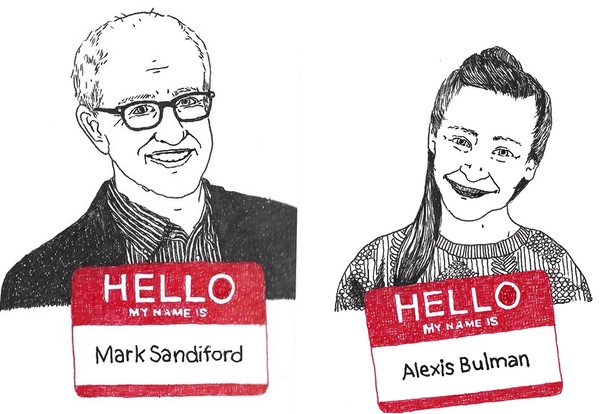
In this session, Mark Sandiford introduced CreativePEI’s initiatives advancing accessibility and wellbeing in the arts, including the Artmobile project, Peer Support Groups, and Therapy Services.

Alexis Bulman shared insights from the Arts Accessibility & Barriers Survey, highlighting the experiences of disabled and neurodiverse artists across PEI.

Mark Sandiford's Bio

Mark Sandiford has been the Executive Director of CreativePEI since 2013. He stepped down at the end of October to coordinate CreativePEI’s Creative Well-Being Initiative. Prior to joining CreativePEI, Mark produced documentary films for the NFB, CTV, APTN, Discovery Channel and others. Mark also worked with the CBC as a TV producer in Iqaluit, Yellowknife and Charlottetown.

Alexis Bulman's Bio

Alexis Bulman (she/her) is an island-based interdisciplinary artist whose drawings and sculptures explore adaptation and accessibility in public and private spaces. Guided by her lived experience with disability, her process-driven practice engages materials as playful yet critical sites. She holds a BFA from NSCAD University (2013) and has exhibited nationally and internationally with support from provincial and national arts councils. Recently, she served on the planning committee for the inaugural Disability Atlantic Arts Symposium and now works as Digital Accessibility Advisor at Creative PEI, where she has contributed for over a decade.

Full Transcript of Panel

TRANSCRIPT: Presentation by Alexis Bulman

Creative PEI: Arts, Access and Barriers Survey Results

To build this survey, I threw a lot at the wall. I made about 100 possible questions and had to whittle them down significantly. At a certain point, I got ResourceAbilities involved because I needed their fresh eyes, and I needed their expertise.

Before I get into the survey, I was wondering if we could do a show of hands. Could you raise your hand if you’ve heard of the Social Model for disability and the Medical Model for disability? Raise them nice and high.

So I think maybe a little less than half the people in the room have raised their hands—which is great, because it means I’m about to teach half the room something new.

So here is the breakdown for the Medical Model and the Social Model. I’ll read them out loud.

The Medical Model views disability as a problem or illness within the individual that should be treated, managed, or cured through medical intervention. The focus is on fixing the person rather than addressing barriers in society. We see this all the time, and if you’re someone who’s experienced medical care, like I have, you’ve likely encountered the Medical Model.

The Social Model sort of flips it on its head. It views disability as a result of social and environmental barriers. Rather than an individual’s impairment, the focus is on changing society—removing attitudes and systemic barriers to create inclusive spaces where everyone can participate.

I’ve included two useful examples of what this looks like in practice:
In the Medical Model, a person in a wheelchair cannot enter a building because of stairs, and the solution would be therapy or a cure so the person can climb the stairs.
In the Social Model, a person in a wheelchair cannot enter the building because of the stairs, and the solution is to add a ramp, removing the environmental barrier.

I wanted to include that because it’s the approach I took with this survey: the Social Model.

I want to include this quote—it lands with me. Mia Mingus is one of my favourite disability activists. She writes, “Disability justice pushes us to move beyond both the Medical and Social Models of disability. The Medical Model says my body is wrong and needs to be fixed. While the Social Model says my body isn’t wrong; the world needs to change. Both hold truth, but neither tells the whole story. I can’t separate myself from my body or pretend that pain, fatigue, or hard days don’t exist. For me, Disability Justice means holding space for both the real physical challenges of being disabled and the social barriers that make life harder.”

I’ve been keeping that in mind because it is so true. While I used a Social Model to construct this survey, I’m also someone with a disability. And my hope from this project—and all the projects that might come out of this survey—is that we evolve into a new model. One we don’t know yet or have a name for yet, but one where we can show up and be our whole selves.

So, in order to have a survey, you have to have a platform. My colleague Rachel, who you saw earlier today with the comedy and the panel, did some research and found this—well…I won’t praise this platform. It was great to interact with as a survey respondent but a nightmare to use as the person developing the survey. I love what it achieved, but I wouldn’t recommend it.

But what was so cool about it is that it had very customizable access settings. You can change the font size, screen contrast, screen size, activate easy mode. The read-aloud function was especially cool. It meant you could have all the questions read to you, and instead of typing your responses, you could speak them. It would record it, and then you could listen back and decide if you wanted to redo it.

There were a lot of ways to interact with the survey, but perhaps the coolest thing was how it helped us achieve our goal of employing crip time. A lot of times when you run a survey, it’s open for a short period of time and there’s a big push to get all the responses in so you can start analyzing. We wanted to leave this survey open for as long as possible because folks who are neurodivergent or who have disabilities operate at different paces, and those paces vary.

Another neat feature that supported crip time was that if someone exited the survey, when they came back, their exact spot would be saved. It was like they never left at all.

I should say that the main objective of this survey was that when barriers are in place, they prevent folks with disabilities from engaging fully. And when we can’t engage fully, we’re prevented from building community. And when we can’t build community, we are starved of opportunities to collaborate, to build our worlds, to thrive creatively.

So the goal of the survey was to see if we could identify our community. When Rachel and I started this project, we sat down together and made a list of people we thought might engage with the survey—who is in our community, who do we know of? And we only came up with 14 people, which really proves that our inability to form community is suppressed because the systems around us prevent us from doing so.

The amazing thing is that when the survey closed, instead of 14 people, we ended up with 82 respondents—which was a win in itself.

This is what the crew at the Holland College analytics team did for us. They took all 82 respondents and turned it into something that made sense to those of us who are not programmers. This is all eventually going to live on the Creative PEI website, and it’s very interactive. Along the top, you’ll see a breakdown of the survey respondents by gender identity, age, minority identity, and artistic discipline. Every time we change screens, those four filters appear at the top.

The reason for that is because when we talk about barriers, we don’t just mean barriers encountered by someone who is neurodivergent or has a disability. Someone who is non-binary, who is a senior, who is racialized, is going to face more barriers than someone who isn’t. And of course, every respondent could click more than one category—they can be Indigenous and racialized, a visual artist and a writer. Never in this survey will people be asked to be just one thing because we know that isn’t true.

So this is what the survey looks like, and just to show you how it changes, here’s what happens if you search through the filters. For example, if I select the blue piece on the pie—which is male—it shows me the age breakdown of male respondents, the minority breakdown, their artistic disciplines, the barriers they face, their locations. The really neat thing about this platform was that we could review the data as it was coming in. If we saw, for example, that almost everyone was from Charlottetown, we could put more effort into advertising and outreach in other communities.

For the slides I really want to talk about, I’ll enlarge them for clearer viewing.

The first is: “Have your access needs been met at art events in PEI?”
To me, this is one of the most upsetting results.
43 respondents said “sometimes yes, sometimes no,”
17 said “yes,”
12 said “no,”
and 10 left it blank.

It would almost be easier if people said yes or no. Ideally, they’d all say yes. But “sometimes yes and sometimes no” is really hard to plan your life around—as an artist or as someone who wants to engage in the arts. It shows how much work we have to do so that “sometimes” becomes “yes.”

The next slide: “Have your past experiences impacted your willingness to participate in the future?”
This one I thought was amazing. Rachel talked glowingly about the River Clyde Pageant earlier—I was so happy to hear that, because it proves what this chart is saying: if you have a good experience, you’re going to show up again, because you know it’s a space that is safe, that will do what it can to meet your needs. You feel welcome and like you can be yourself. But if you’ve had a bad experience, your likelihood of showing up again is diminished because you don’t feel safe; you feel vulnerable and exposed. Again, it demonstrates the need for improved access.

There’s a quote here from an anonymous respondent: “Not knowing the expectations or what the situation will look like makes my anxiety much worse. It impacts my ability to attend.”

That leads nicely into the next section: access tools for in-person and online events.

This is the blown-up version of “Which access tools do you use for in-person events?”
What I think is amazing is that when we talk about access tools, we often think immediately of wheelchairs, ramps—I’m blanking on more because I’m in front of all of you! [laughs] But what the slide shows is that there are so many access tools that are not cost-prohibitive, but which require training, practice, and dedication to implement—and can create the biggest impact for the most people.

An accessibility statement is a term that’s been used a few times today. It’s a written statement by an organization or event—usually a venue—that describes what the space looks like, what access tools are present, and what barriers are present. A well-written one should also list barriers. If the venue has stairs, don’t shy away from that. Include the information because it gives the reader the agency to decide if the event is right for them. It’s interesting that this is the most in-demand access tool.

Quiet spaces—again, low cost, and they make a world of difference.

There’s a quote on the slide: “I can’t believe the organization had fidgets at some of their events. What an amazing idea. It didn’t even occur to me that such a thing would help me. I tried it, and I had a fantastic experience—especially when it was late at night, my meds had worn off, and I had trouble focusing on the amazing artists performing.”

A little thing can go a long way.

Next slide: “Which access tools do you use for online events?”
This is interesting because when we think of hard-of-hearing or Deaf communities, we might assume sign language is the needed tool. But in PEI, we’re in a unique situation: there isn’t a large signing community, partly because of a lack of resources. So closed captioning and transcripts being near the top is telling. These are great tools for people who are hard of hearing or Deaf, but they’re also incredibly supportive for people with a wide range of cognitive and physical disabilities. So it’s exciting to see these community-wide access tools at the top, because it tells Creative PEI that we can focus our energy in these areas first, then broaden our scope to include more access tools.

Next slide: “Do you currently earn an income from your art?”
It’s not good out there—we know that.

Next slide: “What influences your decision to disclose your access needs in spaces?”

First: “What influences your decision not to disclose?”
This is the hardest slide for me. It always almost makes me emotional.
The top response, with 42 votes: “I fear people won’t believe that the barriers I face are valid or significant.”
Heartbreaking.

Next: “I worry about being treated differently,” with 23 respondents.
“I’ve had negative experiences in the past.”
“No clear process or contact person.”
“I prefer to keep it private.”
“The barriers I experience are not relevant to my practice.”
And “other.”

This shows we have a long way to go—but we can get there, because we clearly care a lot about each other.

Then we asked: “What influences your decision to disclose the barriers you’re experiencing?”
You’ll see the bottom four are about the individual, but the ones with the most votes are about community.
57 said: “To ensure a safe and comfortable experience.”
47 said: “It’s part of who I am.”
45 said: “Sharing helps me express myself.”
45 also said: “To contribute to normalizing support-seeking.” I love that one. Even if you feel your access needs aren’t relevant to that day or venue, you’re disclosing anyway because you want that process to be normalized for the people coming up behind you. That is so nice.
31 said: “To connect with artists with disabilities.”
And then: funding or employment opportunities, requesting accommodations, left blank, and other.

I wanted to end on this one: “On a scale of 1 to 5, how would you rate the current level of accessibility in the PEI arts community?”
It isn’t surprising, but one thing is striking: 5 isn’t even on the chart because no one chose it. A little bit of a loophole—5 doesn’t really exist because, as we’ve heard today, one person’s access tool can be another person’s barrier. So a 5-star rating is kind of a unicorn. I would love it if we got a 5. I would love it if we got that 4-star rating way up. But it’s hard to see that 10 people rated accessibility a 1, and no one rated it a 5.

And then, of course, I have to show the green chart: “If Creative PEI established a disability arts initiative, would you be interested in getting involved?” It was a landslide—yes.

If you’ve seen me speak before, you’ve heard this quote. I’ve been quoting it for years. Sean Lee writes: “Disability is here, and it is in all of our futures. Disability is not something we have, but something we participate in. Disability arts and culture animate the means by which we can live with disability. It is through these sensibilities and discourses that disability is not only imbued with possibility, but with transformative meaning, value, and desirability. The formation of a distinct disability culture through art motions not only to the transformative possibilities of art, but points to its potential to reinvent reality itself.”

I love that. Access needs—working on this— It’s systems change, yes, more importantly though, it’s Worldbuilding.

Thanks so much.

Panel: Neurodivergence in the Arts

Moderated by Chloe Toombs of ResourceAbilities, the panel featured Eryn Foster on Artists in Mind, Stephanie Torr on ADAPT, and Chantal Lavoie on ADHD PEI, who together reframed neurodivergence not as something someone ‘has,’ but as a way of participating in—and experiencing—the world.

Chloe Toombs' Bio

Chloe Toombs is the Diversity Training Coordinator at ResourceAbilities, where she leads workshops and initiatives focused on Accessibility, Equity, Diversity, and Inclusion (AEDI). As a neurodivergent professional, Chloe brings both personal and professional insight to her work, promoting a social model understanding of disability and neurodiversity. She collaborates with organizations, educators, and community partners to provide practical strategies and training that foster inclusive spaces where all individuals can thrive.

Chantal Lavoie's Bio

Chantal Lavoie is currently the interim co-executive-director of ADHD PEI. She is also an artist with a focus on stationery and affordable art, and as many ADHD folks do, she has a varied background. Her chosen fields of study were Sociology and Political Science. She worked in many sectors, including education, the financial sector, and a variety of customer service positions. She also volunteers within the ADHD community in Prince Edward Island.

Stephanie Torr's Bio

Stephanie Torr is a Learning Coach with Workplace Learning PEI (WLPEI). WLPEI is a non-profit organization, based out of Charlottetown, but serving the whole Island. WLPEI provides adult education and essential skills for success services for Islanders. “We prepare people for the workplace, and the workplace for people”. Currently, Stephanie supports adults pursuing their Canadian Adult Education Credential (CAEC) through the Workplace Essential Skills for Success (WESS) program. In the past, she was a Learning Strategist for the Accommodating learning Disabilities to Accelerate Performance and Thrive (ADAPT) program. Through ADAPT, she supported adults who were facing challenges at work that were related to learning disabilities and/or ADHD

Eryn Foster's Bio

Eryn Foster is an interdisciplinary artist, filmmaker, educator, and arts consultant based in K’jipuktuk/Halifax. She received her BFA from Concordia University and her MFA from the University of Guelph. Over the past two decades she has presented her work at numerous artist-run centres, public galleries, museums as well as Hermes Hfx Gallery where she is a member of the collective. Foster works at NSCAD University as regular-time faculty in Fine Arts and Foundations Studies. She is enthusiastically also involved in arts advocacy and works regularly with Visual Arts Nova Scotia on special projects and research initiatives.

Foster has received several awards and grants for her work including ones from the Canada Council for the Arts and Arts Nova Scotia. Recently she premiered her film Celestial Queer: The Life, Work and Wonder of James MacSwain (in collaboration with her friend Sue Johnson) at the Atlantic International Film Festival where they were awarded the 2023 prize for Best Atlantic Feature Documentary. Their film is currently touring across Canada and was featured this fall as part of the Saltbox Festival in Cornerbrook Newfoundland.

Full Transcript of Panel

Mark: So the next panel.

Let’s just get to it. The Neurodivergence in the Arts panel. It’s cropped up a few times in the course of the day. And, this one’s going to dive into it a little deeper. It’s made up of people who’ve got, really strong, not only personal, but institutional experience in dealing with neurodivergence in the arts, and so we wanted to hear their perspectives. And several of them are from organizations that you might want to check into, and because they provide services and things that you might want to tap into.
So, I’ll invite them to come up.

The moderator of the panel is going to be Chloe Toomes, she’s from Resource Abilities, and as Alexis told us earlier, they [Resource Abilities] were a great guide to us in terms of framing our understanding of how to do the survey, and they’ve been really good partners ever since.

The next person is Eryn Foster, who did our keynote earlier, so needs no introduction

We’ve got Stephanie Torr from Adapt PEI, from Workplace Learning PEI- They run as Adapt PEI- the program, and you’ll learn more about that later, but that’s one of the programs that several of the people on our staff have actually participated in.

And then we got Chantal Lavoie from ADHD PEI.
This is an interesting one because, like, you guys have gone through your ups and downs over the last little while, but Rachel Matheson on our staff, just absolutely sings the praises of ADHD PEI and the help she’s got from you guys. So, Yeah, I just want to see what you guys come up with!

Chloe: Thank you very much. Good afternoon, everybody. I hope everyone’s getting their daily dopamine.

What an awesome group!

I know that when I met with Creative PEI a couple weeks ago, they said that this was their second annual conference but I hadn’t attended the first one, so I wasn’t really sure what to expect, but this is awesome.
So many faces, it’s nice to see such an active community participating in events like this.

So, I am Chloe Toomes, I’m your moderator today. I’m also the Diversity Training Coordinator with Resource Abilities here on PEI.

For those who don’t know, Resource Abilities, we’re a non-profit. We have offices across the island, and what we do is we support islanders living with disabilities with various programs, whether it’s employment, so pre-employment skills, and post, so job coaching.

We also have a department, our Community Access Department, that assists people looking to fill out different applications, whether it’s provincial or federal, such as disability tax credit, if you’re filing for CPPD, so, um, Canadian Pension Plan for persons living with disabilities. Our coordinators are really, really good with those applications, they know them inside and out.

My role, I deliver accessibility, inclusion, diversity, and equity workshops all across the island to anybody who wants one.

My sessions vary from, I’d say a minimum of 2 hours, but they last longer if you’d like to talk to me.

So today, with all of that, I’m really excited. I’m so happy to have this conversation focusing on neurodiversity, accessibility, and support.
It’s at the heart of the work that I do, and as a person who… who is a neurodivergent individual myself, both my work and my lived experience, I’m really honored to be here with you guys today.
Very excited.

So, we’re here to discuss neurodivergence, and Alexis spoke about the social model, and that’s really what we need to be following. So, it’s not a deficit. It’s not, it’s not us who are the barriers, it’s society around us, right? the lack of access, the lack…of attitudes, the lack of opportunities.
It’s not something that someone has, but it’s a vital way of how we participate in and how we experience the world, and how we add to it.
Wwe wanted to specifically explore what that means within the creative sectors today.

So, I’m really excited with this panel. We’re joined today, so you’ve probably all heard today from Erin Foster our keynote.
So, Erin is a neurodivergent interdisciplinary artist, also a filmmaker, also an educator, also an arts worker.

She is the author of The Artist in Mind report, and today she’s going to be sharing some of her key insights from that research, which highlights the mental health challenges that artist space and the critical need for stronger support across the sector.

After that, we have Stephanie Tour from Workplace Learning PEI. Stephanie’s here to talk about their ADAPT program. It’s a great initiative that equips individuals with learning disabilities with practical tools, strategies that they need in order to self-advocate and succeed within the workplace and their professional lives.

And last but not least, we have Chantel… is it Lavoya Lavoie? Lavoie?
We have Chantel Lavoie from ADHD PEI, the Interim Executive Director. Chantel brings a wealth of knowledge from her organization’s work supporting individuals and families living with ADHD.

She’ll be talking about her insights and the strengths, challenges and unique experiences of those living with ADHD, both within the workplace and their community also.

So, if you would at all like to join me in giving a warm round of applause for these lovely panelists.

All right, I’ll get Erin to start us off.

Eyrn: Hello! I really appreciate this panel, because I don’t often actually get a chance to talk about it in this context, and among people who are working in this field and supporting people in this field, and as I had mentioned earlier, I teach at an art school at NASCAD in Halifax.

One of the things that I really see in my students is a familiarity. I think, oh my gosh, I totally get them. And because of that, I have a lot of empathy and a lot of understanding as to how many of my students learn, and I think…art school in particular, is a space that really is a welcoming, uh, well, semi-welcoming space, and a bit of a safe haven for creative thinkers, neurodivergent thinkers, because it tends to be somewhat less of a conventional space.

Now, that said, I think we still have a lot of work to do to really figure out how we can support neurodivergence, whether it’s in an art school setting, in a more conventional setting of school, or in the workplace.

A few of the things that I have, certainly sort of observed and thought, you know, this is why we need to have these conversations- at NASCAD, they have actually done a lot of work to make a lot of improvements, and to make accessibility, something possible for students who are enrolling.
But one of the issues is there’s not a lot of conversation that’s happening between, say, the Accessibility Center, the students and the faculty who are teaching the courses. And so, oftentimes, as teachers, we’ll get a letter of accommodation for a student, or an outline of the certain things that a student should be accommodated for but we haven’t really been given, also, the resources to be able to implement a lot of those things.

We also really haven’t been given the training, and I am a part-time teacher, like many precarious workers at the school and many other universities. So it actually becomes really problematic for both teacher and student because we’re expected, and we hope, we want to be able to make more accessible spaces for our students, but we’re not necessarily given the time or resources to do it well, and so what happens is I see the same situations happen time and time again, where I see all these students with enormous potential who are incredibly talented, and right now I have a student who I just adore, who’s clearly so amazing, but is so overwhelmed, and is so unable to really deal with the great amount of stress and overwhelm that is happening in their first year of school, and so…It’s a disconnect for me that I see, and, you know, I certainly grew up in a time when there was no language around this.

There also was a lot of shame, there was not the opportunity to really be able to get the accommodations, or even just the support you might need in terms of getting, like, basic homework done. And so, I think just being able to really be recognized in institutions and in places of learning, but also in workplaces- It’s something that people really need to be resourced, um, to be able to do well, and I think that we can do so much more if we recognize that, if, you know, taking that time and also understanding that, you know, as a teacher, it’s going to take more time to do these accommodations, which I really want to be able to do well, and purposefully. But it is extra layers of work, and that’s something that doesn’t get acknowledged, and so…It’s this disconnect.

Chloe: Absolutely. You’ve got me, like, ready to go to war right now. But it’s so true, and I’m just thinking back to my own experience, growing up, neurodivergent in a rural PEI in the early 2000s.

You know, just, just ah.

It’s so true, like, teachers… and there’s so many that really just want to do well, be there to help the students, but it always comes down to the lack of money, lack of resources, lack of tools, right? And that’s something that always gets overlooked.

I agree, it’s why we need to be having conversations like this, to keep bringing attention, to not let it get swept under the rug.

Stephanie: Thank you.
I have some slides. Yeah, I’m changing them, so if you say change, I’ll change them.
The first thing I’m going to tell you is this program is not running, which is, like, the worst way to start a presentation. But please bear with me, because the hope is that it comes back, and that maybe you’ll be interested, or you know folks who might be interested in participating in the program. So I’m going to tell you about what the program looked like and what we hope it looks like moving forward.
So, ADAPT [program name] the idea of it was, and will be, thriving in work. That used to say at work because when we started our program in 2021,
It’s about supporting folks with learning disabilities,
And we thought that most people come to our program would be people who are going to a job, getting a paycheck, reporting to a boss, and coming home. And we saw so many people who are creatives, who are self-employed, and creatives aor so many different working situations. So, that’s why we changed that to ‘in-work’, because we learned a lot from the first pilot of ADAPT.
And that’s kind of why we’re here, and why we got connected with Alexis and Mark, and started having these conversations, because we noticed that creatives and self-employed folks were coming through our doors.
So, let me tell you about the first pilot of ADAPT. So, the ADAPT project ran from 2021 to Some of you folks might have come through the program.
It was open to anybody on PEI who was working and experiencing challenges at work that they thought might be associated with a learning disability and or ADHD.
And employers could refer folks, community organizations and partners, or people could self-refer themselves and what we could provide was screening and assessment for learning disabilities and ADHD, workplace assessment and accommodation planning for supporting those learning disabilities, and ADHD challenges in the workplace or at work, and then skills training for the worker, as well as adaptive technology, like screen readers, or in some cases, iPads, or things like that, that would help at work.
Adapt 1.0, it was a great model, it had great success. The funding just ended, so that’s why it’s not happening right now. But the wonderful thing about this is there was no cost to the folks participating. So psychoeducational assessments are pretty costly, and we could send folks along for a formal psychoeducational assessment if it seemed like there was a learning disability and or ADHD that was contributing to the challenges at work,
What we were looking at was learning disabilities in reading, writing, math, and ADHD, a combination. So challenges at work might have been, like, I can’t keep up with work, I’m having trouble getting to work on time, I’m having trouble staying organized, time management, numbers…Anything like that. If they were challenges that could be related to a learning disability or ADHD we could screen for and send for a formal, psychoeducational assessment, and then support.
We saw a lot of folks coming through our doors for ADHD, that was probably the majority.
Moving forward, this is what a path will look like. So I say this because we’re hopefully going to start it again in the future. And if you or somebody you know is interested in the program, this is what the pathway will follow. So, you can self-refer yourself to the ADAPT program. You meet with us, have a little chat, see if it’s the right fit for you, we send along, we do a bit of an interview and an intake process. And we do some screening tools to see if the challenges could be related to a learning disability and or ADHD. And then you might get referred for a formal psychoeducational assessment.
After that, we help you create a plan for how you could be supported at work, and that might be if you’re self-employed, just working with you for skills training on how to support your challenges. if you work for a boss, that mean maybe talking to the boss, if you saw that fit, and, um, making an accommodation plan for you, doing education for your employer as well, could be something that would happen. It’s really customized to whatever you need.
Then skills training. If you had the pleasure of working with Sandy Slade, or myself, back during the pilot, uh, these… we were to learning coaches that could help with things like time management, organizational, training, accountability partners. That’s a lot of what we did, especially for ADHD challenges, was just being that person to check in and build those habits.
So you’d have your formal psychoeducational assessment for future education and employment and support there as well.
You can contact us. We are building a waitlist, because we know the need is there. So the pilot ended because of the funding, but we know the need is there, so we’re continuing to grow our waitlist.
The original eligibility was, experiencing challenges at work, that’ll likely be the eligibility whenever it gets going, because that’s the folks we can support right now. One day, big picture, we’d love to be open to expand that reach. Workplace learning does a lot of other stuff, so we help folks get their high school equivalency. You can also contact me for that. The AEC used to be the GED.
There are lots of barriers that folks face in all sorts of areas of life related to neurodivergency, so we’d love to support that.
One thing that Our program’s not set up for is supporting autism challenges. Although they might be mixed with ADHD and learning disabilities, but those supports are elsewhere.

Chloe: Workplace Learning and Resource Abilities have worked closely together for quite a long time, and that program is something that we often refer our clients to. Yes, it is a… it is not an if, it is definitely a when. We’re manifesting it, but it’s going to happen.

Chantel: Hi everybody, I’m Chantal with ADHDPEI, and I’ll talk a little bit about what we do. We are a registered non-profit. We came into being in 2018, and…the founder, Sandy of ADHDPEI, sadly, is not here, Sandy passed away this summer and is…very much missed.
Luckily, the organization that we built is still here, and still helping people. Our offerings are mainly for adults with ADHD and mostly, manifests in the form of support groups that we do. We do it online for people, and that can be really nice, because if you don’t have the executive function to get out the door and drive somewhere and park somewhere, and…figure out if the place is accessible, all of those wonderful things. The online is great, and it’s also really fantastic for snowstorms and stuff in the wintertime, because if you don’t live in Charlottetown, you don’t know if you’re going to be plowed out, or if roads are going to be horribly icy, and it’s dicey to drive. We also have the Charlottetown support group that happens, actually, in the library in more of the rooms down there. Once every month, and we have an every two weeks support group in Summerside.
So far, that’s our offering, so we’re hoping to one day expand, help further, and also have them go in a little bit more often, but that’s where we are at the moment.
The fun thing with that is a lot of adults who need more immediate help with ADHD and navigating all the new stuff that comes with it when you find out that that’s what you’ve got going on.
I like to say to people that when you realize that you’re neurodivergent, ADHD, or autistic, it’s kind of like being given a whole new manual on yourself. It’s not like I like to refer to myself as a car. If I were a car, I wouldn’t buy me, sometimes it does feel like we’ve been given one manual at birth, you know, the…Neurotypical manual, and that’s what we’ve been working off of for diagnosing everything that’s not going right. So then when we are giving this whole new manual, that we kind of have to rewrite by ourselves. It can be…both overwhelming and really affirming. And that’s just a lot. There’s a whole roller coaster there.
So, we see that a lot, and we deal with it a lot ourselves, because most of the people who work within ADHDPEI, or affiliates are kind of dealing with that as well.
So, where was I going with this? I was going somewhere. This happens to me sometimes, my brain just doesn’t…Where was I going, and let’s get there, please.
Right, so a lot of people are trying to figure it out…what am I actually dealing with right now? And am I maybe okay the way that I have been all my life, and I just need to make my life kind of go with the current of my brain instead of swimming against that current.
And a lot of us, as it turns out, are also artists or creators.
So… we’re often dealing with all of that and with the realities of living in a very neurotypical world and then also hoping to have the energy at the end of the day to create and to have that passion, and to have that drive and the executive function to do all the other things that need to be done if you do make career through craft or creating.
I just have to say that Knowing Sandy, one of his biggest priorities was ADHD PEI when I’m gone, like, I need to know that it’s gonna continue, that it’s gonna keep going, that it…It’s gonna keep thriving, and…he would be so happy. Each vision is still here. It’s still kicking. It’s not going anywhere. We’re not going anywhere!

Chloe: it’s been really good that we have these support groups, and that we all just need to keep spreading the word.
Okay, so for this next part of the panel, we’re gonna have a bit of a moderated discussion. I have three questions I’d like to ask and discuss with the panelists.
And then once we’ve done that, we’re gonna open it up to the lovely audience, so you guys can ask us as many questions as you want. Don’t be too hard. We’re squishy.
So, to start us off…I’veobserved that neurodiversion folks are often drawn to the creative sectors, and I’ve noticed a couple times that we’ve been saying that. Why do we think that is?
What draws neurodivergence to the creative sector?

Chantel: I have a few theories about that.
I can definitely speak anecdotally to…reasons for that, but, I guess I’ll temper everything that I say by…saying, I am not an expert, I don’t necessarily have accurate data for Prince Edward Island, etc. I’m gonna sort of take a bit of a balanced approach here and just say I would theorize a couple of things. Number one. ADHD.
We go where the passion is, don’t we? Because that’s… that’s really the thing that usually gets us to go and do. We need something to move us, to move our brain in that direction. We need drive, because if not, then we just…I wish that I could speak more to the neurological, but I’m so bad at remembering the actual neurological names for things, but basically, it’s to do with receptors in our brains, the fact that we don’t have enough to any kind of chemical, so when we have a lot of passion for something, we develop more of that chemical we need, and it sort of bridges those sector gaps. So, in order to do things, we must have lots of passion for things. When it comes to art, I mean…you’ll see something wonderful that you’re saying, like, oh, I wish that this existed, or I wish I could make this thing that’s in my mind. And then suddenly you have the drive, and then you go and do… and then all of these barriers that often are in our way, we kind of just do them, and no, it’s not necessarily easy, and yes, it sometimes takes a lot from us to do that. It’s kind of like magic sometimes, but also it takes a lot.
Art is just one of those things that, when you get really passionate about something, like you do with art, with any kind of creating, really, it just… it draws us in, and it just…Is there anything that’s more of a high than creating something wonderful? And either being able to see it yourself or share it with others and have people enjoy it, really enjoy it, and it just feels so…Wonderful, you know? So, so I think that that is something that is extremely appealing to the ADHD brain.
And also, the ADHD brain is just so good at so many things. It’s called omni-potential.
A lot of us have probably encountered omni- potential in school where you might have had, sort of, the negative experience with it of teachers maybe saying so much potential!
Even more than some other folks who will do, like, one thing, and they’re good at that one thing. You can do so many things. Well, you do it better. You just need to apply yourself and that we don’t have to meet all of it in some superhuman way. We get to embrace it, we get to go in different directions.
Erin, something you were saying during your talk earlier, and I’m probably going to get this wrong, that sometimes it takes a very long time to finish a project. Well, something that comes up often in the support groups is people will sort of feel a bit bad for starting a project or starting into a hobby and then putting it down. They say, why can’t I just finish something?
Is it important to finish it? -Because I would say that the more we give ourselves license
to pick up whatever we want, and to put it down for a while, it’s mine anyway, I can put down this project if I want to! And then, by doing that, we actually pick up more things than we otherwise would, and we also finish more of those things then we really give ourselves credit for. Where I was going with this, uh..
Omni-potential. Creativity, basically…anything creative, it’s just so great for our brains, it’s so freeing to be able to…go where our passion leads us. I think as long as we’re being healthy about it and we’re not shaming ourselves for not finishing something, or shaming ourselves into not starting something because we’re not confident we’re going to be able to finish it in time it can be a really wonderful thing.
It’s just also very challenging, in a very capitalistic society, where art is not highly valued and we also don’t know how to evaluate ourselves properly.

Stephanie: People, kids even, with challenges related to reading, writing, math, time management organization, even just sitting in class. They’ve always had to be such creative problem solvers, from so young, just to kind of get by and keep up, and mask and fit in, or whatever it might be, and so that creative muscle has been stretched and stretched and stretched and stretched.
Sometimes it’s a case of the square peg and the round hole, and maybe the creative sector has a bit more flexibility for the entrepreneurship side of things, hopefully.
And, workplace or an environment where you have to show up at a certain time, your desk is by the printer, there’s lots of foot traffic, maybe you don’t fit in that place, and you feel like you don’t fit. A solution might be to go into entrepreneurship in the creative sector. Yeah, I think that that creative problem solving is just ingrained in neurodivergent folks a lot of the time, and that’s square peg round hole.

Eyrn: I really love this idea of, what was it, omni-potential? I haven’t heard that before, but it really resonates with me. I think about this a lot, because I work in the arts… in, like, lots of different areas of the arts, and so I come into contact with a lot of different kinds of people. Anecdotally, obviously, I am also not an expert, or a scientist, just someone who notices things, notices patterns, notices similarities, notices phenomena of things, and so I guess, in a way, in my own lived experience, I am an expert in my own lived experience, and as a teacher, as someone who’s worked in a lot of artist organizations, as someone who’s also been involved and worn a lot of hats in the arts sector. It is just something that I… I see. I see a lot of people who have extraordinary talent and extraordinary skills, at the same time, I see a lot of folks who, unfortunately, because of certain challenges that are faced by these people, they’re not always able to live up to their true skills and talents. I’m often thinking about, you know, in some ways, there’s this really interesting question that has been arising in my life more recently than not, around what is the nature of creativity? And it’s a really kind of hard question to ask, because it’s quite abstract, and it’s hard to really dissect. What is creativity? And I’ve been asking this question, in contrast to the rise of AI and the kind of creativity we see in AI, and how do we actually value and really recognize the worth of human creativity? This has been part of a project I’ve been working on with a scientist friend of mine. One of the things that I’ve been sort of thinking about is that I think creativity… There definitely is this connection between creativity and neurodivergence. But I also think creativity…It arises in people in such a number of different ways. I think some people, for whatever reason, they’re born, and they have a natural propensity to…be creative, and to make creative things, and to move through the world in this creative way. It might also come about in the way that we’re talking in terms of problem solving, and being in life situations that require you to always be kind of working around and figuring out, okay, how do I fit into this situation? How do I survive? How do I actually, like, get through this thing? And so the creative force becomes a way of just functioning and surviving, and then hopefully that translates or transcends into something that is actually, uh, going to be a talent or a skill for that person. So I think this correlation we see between artists and neurodiversity, perhaps it’s, in many ways also the arts being a space where I think a lot of people who might consider themselves unusual, unconventional, weird, a little strange.. It tends to be a place where we can find…like-minded people, where we can feel more comfortable. I know for myself, when I was… I think my mom, obviously,
knew the child that she had, because right away she had me in gymnastics, drama, anything that would, like, rid me of physical energy, I was just endlessly obsessed with anything that was craft-related. So, of course, the safe haven for me in high school was the art room. It was drama class. It was places where I could really…act out, be myself and not have to worry about the confines of more conventional expectations.
I’ll never forget when I was in grade 8, there was this poster that was all over my elementary school, I can still totally see the visuals of this poster, and it said, “dropping math? Say goodbye to 82 jobs”. And somehow I knew that it didn’t matter, and I remember looking at that poster and being like, I’m gonna drop maths! So it had the opposite effect, and in fact, that’s what I did. As soon as I could get rid of the math,I was able to spend more time in the arts, and that’s actually when my grades improved, and I went from being a student who was on the edge of failing and constantly frustrated, feeling absolutely ashamed and unable to find my way through school, but as soon as I dropped math and any of the courses that just would not work with this brain, I found myself in the classrooms with teachers who kind of got me. I went from barely passing to on the honor roll, and, you know, I think about that a lot when I’m a teacher in a classroom. Could a subject like math be something that is taught in a more creative way?

Chloe: I agree. There’s something in there, where, with creativity and the creative arts, you’re free to just express yourself.
On to our second question. So, what aspects of neurodivergence, either from your own lived experience or through your work, your career, have you seen the unique strength in a creative pursuit?And on that note, what are some of the biggest systemic challenges that have gotten in the way?

Chantel: I think I struggled with this question. I mean, there are a lot of universally applicable things that come up with a creative brain, where so many of our skills that we have, but the nature of the creative brain can be extremely helpful in so many areas of life, whether it be social, whether it be problem solving. To what Eryn was saying, if something is taught in a creative way, or in the right way for your brain you could learn almost anything.
Which doesn’t mean hold yourself to that standard and, reach the potential, no but there is something wonderful about sort of feeling that and experiencing that, and realizing, I can do way more than I give myself credit for. If a problem comes up or if something comes up where I’ve never done this before, or I’ve never thought to do this kind of skill before, I’m just gonna try it, and it’ll probably be fine.
I had this turn of phrase in my head probably since high school when I started having to do, you know, all of that paper writing and all of that, those projects that we really, like, our brains just do not enjoy, necessarily, especially with the deadlines and the way that these things are handled in those…pulling the rabbit out of the hat.
I would always feel somehow confident. Tomorrow, when I have to turn this in, or when I have to present this thing, the rabbit will come out of the hat.
I can’t tell you how. I can’t tell you why I know this, but it just kind of happens, whether I spend the next 12 hours writing the paper or whether I come up with something incredibly brilliant 5 minutes before the presentation is due to start…The rabbit comes out of the hat. Every time I reach in, I’ve never been disappointed. I’ve never come up empty handed in front of people and go “I’m sorry, I got nothing”. That’s never happened. So…I mean, I don’t where this confidence comes from, or love having to constantly be put in these nerve-reactive situations, or tight deadline situations, but there is a confidence that I can learn pretty much anything if I actually want to, and if it’s something I think is useful, and if I can find the right person to teach me, or the right way to learn it. I mean, there are plenty of things that we can’t learn if there are barriers in the way, trust me, I know that too. I failed grade 10 math three times. The fourth time I did amazing, but that was a very different teacher. Each time a little worse.
You were also saying about barriers. Yeah, like, systemic barriers, like, so it’s anxiety.
Well, again, that comes back to you not being able to take your time. Tight deadlines, you know, sometimes deadlines are necessary, absolutely, like, when it comes to health stuff,.
There are also a lot of barriers. When you think about deadlines for most things. There’s so many deadlines. that are way too inflexible, way too tight. And when you really think about it, is this really necessary? Is this really helpful? I feel like too much of the time, the answer to that is no.
It would be nice if folks with different brains had a bit more time, and had a bit more humility and flexibility built around us.
Money is obviously also a huge one. The fact that the cost of living has absolutely gone insane. And a really big barrier, I think, is… if anyone’s familiar with spoon theory? Probably most people? Some people might have 5 spoons at the start of the day, and each spoon you might spend on a task, or one task might be extra, extra spicy for you, and it takes 3 spoons for that task, and then you might run out of spoons halfway through the day,. Whereas someone else maybe starts with 15 spoons at the start of their day, and the task that takes me 3 spoons, takes them one, or a half of one, you know? So, we all have different capacities. And sometimes neuro, spicy, neurodiverse people, I like to call myself neuro-spicy. The thing is that spending a lot of spoons on trying to make enough money for rent, or trying to make sure that we’re eating healthily enough or, like, any number of the things that we need to do in a day to survive and have a family. That leaves very few spoons for creativity.
And creativity doesn’t just happen. I mean, it can just happen if you’re feeling really good and you’re feeling well, but if you’re exhausted and you’re depressed, and you’re just, you know, you’ve spent all the spoons on so many of the other things that cannot not be done. You don’t have a lot of energy left for creativity. And when that’s the thing that gives you joy, when that’s the thing that maybe gives you money.
Oh, you know, that’s just an enormous challenge, it’s an enormous barrier, and it can feel absolutely debilitating.

Stephanie: I don’t have solution proposals.I can’t count on both hands the amount of spoons I’ve lost trying to find my car keys, so… I get it.
How much nicer, less stressful, the world would be if we had more flexibility, if we had less deadlines, more time to just chill and be human beings and connect with one another again.
I’m just gonna say innovation, and I’m going to talk about systemic challenges in the workplace. As a creative, you might spend so much time in your day to pay the bills, if that’s your situation, I know there’s lots, add to that constant masking, or not fitting into the environment, fitting into the environment, it’s hard to have that creativity after.
Learning disabilities in reading, writing, math. ADHD, they can be pretty simple accommodations in the workplace, and I think systemically, employers or the world, society don’t necessarily know that. Like, it’s like accommodations, and it’s gonna be too costly, or too time-consuming when I already have no time, as an employer. Um, but they can be really small things, so I think, through ADAPT, for example, that education piece for the employers, and it’s hard to always be the one to advocate for yourself. But systemically, if employers could get that education or society as a whole, about how small things can make a big difference environmentally, and how we can change the environment to help folks, that would be huge.
I don’t know if I answered that question, but systemic employment.
One of the biggest things I talk about in my biodiversity Workshop is if these changes , they can literally just be labeled cupboards for where all your tools are, right? It doesn’t have to be anything expensive, it could just be having a timer at work. It’s just kind of changing the way we think about it.

Eyrn: Love that. Thank you. This is something I think about a lot as well, as someone who navigates the world with ADHD, but also in just seeing a lot of friends, colleagues, students also have all the really great things about ADHD, but also the struggles of actually allowing those things, the positive things, to have a place in the world. And I think, unfortunately, we don’t see enough space, or value, or accommodation for those who have all of the very exceptional things that can come with neurodivergence and thinking differently, and problem solving, um, and I think too often there’s this idea, oh, oh, they think out of the box, so we’ll bring them in to help us find creative solutions, but
what they often do is just put another box over top of the box that you’re trying to get out of, and so there’s this constant challenge of us trying to break out of these boxes.
I’ve often thought, wouldn’t it be amazing, just in terms of being able to really harness the skills and the talents and all of the things that come from Neurodiverse individuals, things that many of us go to school for, and we then hone these talents, and I look at all of the exceptional students who I see at NASCAD and elsewhere in the community and part of my heart breaks because I know how hard it is going to be for them to find jobs that are meaningful, to find work that can sustain them, and to really find their way in a world where they’re going to feel like, oh, these things that I do actually have a place that has value, and, you know, for myself, it’s felt like a real battle to, you know, find these little spaces where I can feel like I really am able to get a sense of meaning or value, and I just think as a society, we can be so much more creative, we can think so much bigger about the role of the artist in society. I think artists don’t just have to exist in this very sort of one-dimensional way that you’re making paintings, or you might be hired to teach an art class, but rather thinking about the role of the artist as someone who can be placed in more conventional settings as someone who can think about things in really non-divergent ways. To create outsider thinking when it comes to municipal politics when it comes to, science, when it comes to…these areas that are traditionally dominated by more neurotypical people, and so I feel like if we can advocate for there to be roles and places in the world for people who are neurodivergent, and just, you know, whatever place they might be coming from where traditionally they’re not going to find their place. I think we would see a lot more innovation. We would see a lot more excitement in the realms of our sense of productivity as a community, as a nation, as a province, and in thinking about this idea.. Oftentimes, towns might have a poet laureate, and that Poet Laureate, their job is to kind of observe and to pay attention to the nuance of the city or the place that they’re living in and to write poetry about it as a record, as a document, and I think you know, these kinds of jobs, we could do more with visual artists, with filmmakers. Why not have an Artist Laureate, why not have a similar type of, um, job that allows artists to be themselves in their capacity, to be contributing meaningfully to the world that they live in.

Chloe: I love the way that rolls off the tongue. Artist Laureate. We need to make this a thing right now. So, we’re too good at talking, and our time is almost up. Um, do we have time to take questions? No? Okay, all right. Well, thank you so much for listening to us.
Thank you so much, Chantal, Stephanie, Erin, for coming up and being panelists and having such a wonderful conversation with me.

The Atlantic Summer Institute & The Alliance for Mental Wellbeing

I’m wondering what you can imagine—how your community, your policymakers, or your organizations might move a little more upstream to support the arts community. The arts are critical to healthy and safe communities. In times of stress, what do people turn to? The arts.
Susan Hartley

“Artists enrich our communities, yet many face stress, financial instability, and isolation—stressors woven into the cultural ecosystem. Resilience isn’t just toughing it out; it’s having the supports, skills, and relationships that let artists adapt and thrive.”
Nate Lewis

Susan Hartley's Bio

Susan has spent a lifetime working as a clinical psychologist, an educator, human rights advocate and global peace scholar. She has served in leadership roles in the professional, political, and not-for-profit sectors locally, nationally and globally. At the local level, Susan is an advocate for poverty elimination, safe shelter, and healthy and resilient communities – all work that she considers to be building peace at a community and societal level. She is a member of the PEI Working Group for a Livable Income (WGLI), a Director with the Atlantic Summer Institute (ASI) for Health and Safe Communities, and Chair of the Advisory Committee for ASI’s PEI based Project implementing the ASI Policy Brief calling for upstream investment in population health. In the past year, Susan has brought the global peacebuilding community together with the publication of her edited anthology, Global Voices for Peace: An Introduction to Peacebuilders and the Hope They Bring.

Nate Lewis's Bio

Nate (he/him) is the Community Impact Coordinator at the PEI Alliance for Mental Well-Being, where he leads the Focusing Action for Positive Change Community Grant Program. With over a decade of experience in strategic communications across health care, education, and non-profits, Nate is a passionate advocate for mental well-being, equity, and inclusion, with a focus on building capacity and skills that foster resilient, supported people and communities.

Transcript of Susan's Presentation on ASI's Upstream Approach

We’re in the home stretch now. This last section of the conference is really about asking: now that we’ve laid out the situation and identified what isn’t working, what needs to change?

Our first speaker is Nate Lewis from the Alliance for Mental Well-Being.

The resilience scale is a really useful conceptual model for understanding how change happens, and Nate’s the one to walk us through it.

Everything’s set up — you just press the down arrow and you’re good to go.

Nate:

Hi everyone — can you hear me okay?

I’m from the PEI Alliance for Mental Wellbeing, where I’m the Community Impact Coordinator. If you know the Alliance, you might know us mainly as a grants program, but there’s a lot more to it.

Before we dive in, a quick question: who knows what resilience is? Or thinks they do? It’s come up a few times today. The truth is, whether or not you can define it, everyone here has resilience. One way to think about it is as a scale — a balance that shifts throughout our lives.

On one side are protective factors: supportive relationships, positive experiences, safe environments. (I’d consider today one of those safe environments.)

On the other side are risk factors: chronic stress, isolation, and many of the things we’ve talked about.

The position of the scale isn’t fixed; it shifts depending on our experiences and supports. And here’s the key: we can tip the scale toward strength and stability by increasing protective factors and reducing risk. Today, we’ll look at what resilience means, why it matters for the arts community, and how the Alliance is creating conditions that help artists thrive, not just survive.

The Alliance launched in November 2021 as an independent nonprofit serving PEI. Our mandate is simple but powerful: create the conditions for positive change so everyone can achieve and maintain the best possible mental wellbeing. We do this through capacity building, innovation, and systems change.

We have a training and development team delivering initiatives grounded in the science of brain development, including resilience, protective factors, and adverse childhood experiences. Many in the room have taken our four-day Brain Science Training.

Our research and knowledge mobilization team brings an evidence-based lens to all our work.

And then we have our grants — the Community Action Grant and the Community-Based Research Grant — which fund partnerships between community organizations and researchers to generate actionable knowledge and strengthen services.

At the core of all this is resilience — not as a buzzword, but as the foundation for thriving communities.

Before we talk about solutions, we need to name the challenges. Many have been raised today already. Artists and arts workers face a distinct set of stressors that deeply impact mental health:

Emotional labour and vulnerability. Creative work often means sharing personal experiences, navigating rejection, and being publicly visible in ways that can be emotionally taxing. A 2020 Yale study found higher rates of anxiety and depression among artists, partly due to this exposure.

Irregular schedules and burnout. Many artists juggle multiple gigs, unpredictable workloads, and late nights, making rest difficult. A 2019 review in Psychology of Music linked these patterns to chronic stress, disrupted sleep, and burnout.

Financial precarity. Without stable income or benefits, chronic financial stress is common — a strong predictor of poor mental health.

Isolation and lack of formal support. Artists often work alone, without HR, EAPs, or peer supports. Research shows that social isolation significantly increases the risk of mental health decline.

And these stressors aren’t just personal — they’re systemic. That’s why work like this conference, as part of Creative PEI’s Creative Wellbeing

Project, is so important: it meets artists where they are and responds to the realities of creative work.

So, what helps sustain wellbeing in the arts? One key concept is resilience.

Resilience isn’t just “bouncing back.” It’s the ability to adapt and thrive even in adversity — shaped not only by individual traits, but by environments, relationships, and supports.

One way to visualize resilience is through the Resilience Scale metaphor.

Picture a balance beam:

On one side, protective factors — supportive relationships, good healthcare, opportunities to learn.

On the other side, risk factors — toxic stress, chronic adversity.

The scale’s position isn’t fixed. Genetics set the starting point, but experiences shift it. Supportive relationships and positive environments can tip it toward health even for those who start at a disadvantage.

Why does this matter? Because the balance predicts outcomes. When protective factors outweigh risk, people are more likely to experience good health, stable relationships, and success. When risk dominates, the likelihood of depression, anxiety, and stress-related illness increases.

So how do we tip the scale? That’s where the Alliance’s three evidence-based action areas come in:

Strengthen supportive, responsive relationships — connections that buffer stress and promote growth.

Build core life skills — planning, problem-solving, emotional regulation.

Reduce sources of toxic stress — while recognizing that not all stress is bad.

These factors are interconnected. Reducing toxic stress frees up energy to strengthen skills; building skills supports responsive relationships; responsive relationships buffer stress. Together, they build long-term wellbeing.

The arts sector is both vulnerable and vital. Artists enrich our communities in countless ways, yet often work under conditions that intensify stress, financial instability, isolation, and emotional labour. These stressors aren’t just individual — they’re built into the ecosystem. And that’s where resilience comes in. Resilience isn’t about toughing it out; it’s about having the supports, relationships, skills, and environments that allow artists to adapt and thrive.

Upstream investments are key. Instead of waiting for crises like burnout, we focus on prevention — building resilience before problems escalate. This approach saves resources, strengthens communities, and builds long-term stability. When artists thrive, the entire cultural ecosystem thrives.
A quick shout-out to Creative PEI. Through the Alliance’s grants program, they launched the Creative Well-Being Initiative: peer mentorship, free and sliding-scale therapy, an arts-specific helping tree, annual wellbeing surveys, Brain Science Certification training, and conferences like this one. It’s a powerful example of how targeted, community-driven investment strengthens sector-wide resilience.

So what can you do?

Use the resilience scale as a lens. Reflect on your own protective and risk factors and where you can add supports.

Strengthen relationships, build skills, reduce toxic stress — in your programs, workplaces, and communities.

Start small and collaborate quickly. Add peer support, mentorship, or shared learning to what you’re already doing. Resilience grows when communities work together.

At the heart of the Alliance’s work is a shared purpose: to help everyone in PEI achieve the best possible mental wellbeing — not just surviving challenges, but having the capacity to navigate and thrive in adversity.

I hope you leave with two things:

First, a clearer understanding of resilience as something practical, not just a buzzword.

Second, a sense of possibility — whether that’s embedding this work into your own practice, collaborating with others, or applying for Alliance funding.

If you’d like to learn more about grants, training, or anything else we do, visit our website. And if you have specific questions about the grants program, reach out at grants@afmwb.com.

Thank you — and someone please take the mic before I keep talking.

Transcript of Nate's Presentation on the Resilience Scale

We’re in the home stretch now. This last section of the conference is really about asking: now that we’ve laid out the situation and identified what isn’t working, what needs to change?

Our first speaker is Nate Lewis from the Alliance for Mental Well-Being.

The resilience scale is a really useful conceptual model for understanding how change happens, and Nate’s the one to walk us through it.

Everything’s set up — you just press the down arrow and you’re good to go.

Nate:

Hi everyone — can you hear me okay?

I’m from the PEI Alliance for Mental Wellbeing, where I’m the Community Impact Coordinator. If you know the Alliance, you might know us mainly as a grants program, but there’s a lot more to it.

Before we dive in, a quick question: who knows what resilience is? Or thinks they do? It’s come up a few times today. The truth is, whether or not you can define it, everyone here has resilience. One way to think about it is as a scale — a balance that shifts throughout our lives.

On one side are protective factors: supportive relationships, positive experiences, safe environments. (I’d consider today one of those safe environments.)

On the other side are risk factors: chronic stress, isolation, and many of the things we’ve talked about.

The position of the scale isn’t fixed; it shifts depending on our experiences and supports. And here’s the key: we can tip the scale toward strength and stability by increasing protective factors and reducing risk. Today, we’ll look at what resilience means, why it matters for the arts community, and how the Alliance is creating conditions that help artists thrive, not just survive.

The Alliance launched in November 2021 as an independent nonprofit serving PEI. Our mandate is simple but powerful: create the conditions for positive change so everyone can achieve and maintain the best possible mental wellbeing. We do this through capacity building, innovation, and systems change.

We have a training and development team delivering initiatives grounded in the science of brain development, including resilience, protective factors, and adverse childhood experiences. Many in the room have taken our four-day Brain Science Training.

Our research and knowledge mobilization team brings an evidence-based lens to all our work.

And then we have our grants — the Community Action Grant and the Community-Based Research Grant — which fund partnerships between community organizations and researchers to generate actionable knowledge and strengthen services.

At the core of all this is resilience — not as a buzzword, but as the foundation for thriving communities.

Before we talk about solutions, we need to name the challenges. Many have been raised today already. Artists and arts workers face a distinct set of stressors that deeply impact mental health:

Emotional labour and vulnerability. Creative work often means sharing personal experiences, navigating rejection, and being publicly visible in ways that can be emotionally taxing. A 2020 Yale study found higher rates of anxiety and depression among artists, partly due to this exposure.

Irregular schedules and burnout. Many artists juggle multiple gigs, unpredictable workloads, and late nights, making rest difficult. A 2019 review in Psychology of Music linked these patterns to chronic stress, disrupted sleep, and burnout.

Financial precarity. Without stable income or benefits, chronic financial stress is common — a strong predictor of poor mental health.

Isolation and lack of formal support. Artists often work alone, without HR, EAPs, or peer supports. Research shows that social isolation significantly increases the risk of mental health decline.

And these stressors aren’t just personal — they’re systemic. That’s why work like this conference, as part of Creative PEI’s Creative Wellbeing

Project, is so important: it meets artists where they are and responds to the realities of creative work.

So, what helps sustain wellbeing in the arts? One key concept is resilience.

Resilience isn’t just “bouncing back.” It’s the ability to adapt and thrive even in adversity — shaped not only by individual traits, but by environments, relationships, and supports.

One way to visualize resilience is through the Resilience Scale metaphor.

Picture a balance beam:

On one side, protective factors — supportive relationships, good healthcare, opportunities to learn.

On the other side, risk factors — toxic stress, chronic adversity.

The scale’s position isn’t fixed. Genetics set the starting point, but experiences shift it. Supportive relationships and positive environments can tip it toward health even for those who start at a disadvantage.

Why does this matter? Because the balance predicts outcomes. When protective factors outweigh risk, people are more likely to experience good health, stable relationships, and success. When risk dominates, the likelihood of depression, anxiety, and stress-related illness increases.

So how do we tip the scale? That’s where the Alliance’s three evidence-based action areas come in:

Strengthen supportive, responsive relationships — connections that buffer stress and promote growth.

Build core life skills — planning, problem-solving, emotional regulation.

Reduce sources of toxic stress — while recognizing that not all stress is bad.

These factors are interconnected. Reducing toxic stress frees up energy to strengthen skills; building skills supports responsive relationships; responsive relationships buffer stress. Together, they build long-term wellbeing.

The arts sector is both vulnerable and vital. Artists enrich our communities in countless ways, yet often work under conditions that intensify stress, financial instability, isolation, and emotional labour. These stressors aren’t just individual — they’re built into the ecosystem. And that’s where resilience comes in. Resilience isn’t about toughing it out; it’s about having the supports, relationships, skills, and environments that allow artists to adapt and thrive.

Upstream investments are key. Instead of waiting for crises like burnout, we focus on prevention — building resilience before problems escalate. This approach saves resources, strengthens communities, and builds long-term stability. When artists thrive, the entire cultural ecosystem thrives.
A quick shout-out to Creative PEI. Through the Alliance’s grants program, they launched the Creative Well-Being Initiative: peer mentorship, free and sliding-scale therapy, an arts-specific helping tree, annual wellbeing surveys, Brain Science Certification training, and conferences like this one. It’s a powerful example of how targeted, community-driven investment strengthens sector-wide resilience.

So what can you do?

Use the resilience scale as a lens. Reflect on your own protective and risk factors and where you can add supports.

Strengthen relationships, build skills, reduce toxic stress — in your programs, workplaces, and communities.

Start small and collaborate quickly. Add peer support, mentorship, or shared learning to what you’re already doing. Resilience grows when communities work together.

At the heart of the Alliance’s work is a shared purpose: to help everyone in PEI achieve the best possible mental wellbeing — not just surviving challenges, but having the capacity to navigate and thrive in adversity.

I hope you leave with two things:

First, a clearer understanding of resilience as something practical, not just a buzzword.

Second, a sense of possibility — whether that’s embedding this work into your own practice, collaborating with others, or applying for Alliance funding.

If you’d like to learn more about grants, training, or anything else we do, visit our website. And if you have specific questions about the grants program, reach out at grants@afmwb.com.

Thank you — and someone please take the mic before I keep talking.

Special thanks to Bookmark

Special thanks to Bookmark for curating a pop-up store of thought-provoking titles on accessibility, advocacy, well-being, and creativity!

"Shine" - A Poem By Chanel Briggs

I no longer reserve dancing for my bedroom
Or singing in showers
I can’t fathom feeling free in confines of walls
Can’t conceptualize liberty within limitations
I am sun
I am dying, a feat
In the midst of everlasting light
Bright and damning
I won’t put lamp shade over
Starry life
I’ll flicker in black holes
Do not need to be seen
To know that I glow
Shine baby shine
This a promise to let my favourite song ricochet off my body
So I can’t help but yell,
Such foul crooning
Can’t help but flail and fall
Surrender to each bullet beat
To bleed over each breath is an honour
Freedom like an exorcism
Spirit being forced to reckon with flesh
Damn, this my motherfucking song
A summon
A spell
Got too much human in me
To not screech my heart’s awful song
Got too much spirit
To not manipulate grotesque limbs into the shape of psalms
And when this body stiffens, cold
Like Earth without heat
I am proud to shake with great passion
Dying is a lot like living
I permeate plasma
Into the void
Shine baby shine
Loudly in coffee shops
And crosswalks
Glitter, annoyingly,
Succumb to deviancy
Possessed by vitality and
How fleeting it all is
Fuck
And beyond every simile
Trust I will be twirling my ass
On my tippy toes, singing off key
Whenever the mood strikes

Thank You!

Thank you to everyone who attended the Creative PEI Arts, Accessibility and Well-Being Conference, who shared their thoughts and experiences.

Request for feedback!

We’ve created a five-minute-long survey to collect a bit more information, and to help us advance the goals of the conference going forward.

All are invited to complete this survey whether or not you were able to attend the conference.

There are three sections:
1. Feedback on the conference itself (you can skip this one if you didn’t attend)
2. A quick opinion poll
3. A place to tell us what we should work on next

All questions are optional!

Thanks again for sharing your views!

Take The Survey